As parents of children enrolled in Montessori, it is likely you have spent time familiarizing yourself with the underlying principles of Montessori Education. You are likely implementing many aspects of the philosophy not only in your relationships with your children, but also in how you physically structure your home environment to support your child’s growing needs for independence.
So, as a Montessori parent have you ever thought to yourself – “my child loves the Binomial Cube/ Checkerboard/ moveable alphabet so much, maybe I should get one to use at home!
Well, when it comes to the question of Montessori materials in the home, first consider these things…
Home as a “safe space”
Our homes are places designed to meet both the needs of the adults and the children living there as well. It is our “sacred” space to allow our children the freedom to just be, relax and enjoy being a part of the family and the goings on in the home.
Part of that home life is time for unstructured play, exploration and for nurturing relationships with family.
“Method behind the madness…”
In the classroom there is one Pink Tower, one Binomial Cube, one Checkerboard. This limited number not only imposes on the child the importance of the material and the necessity to carefully maintain it, but also emphasizes learning patience as a developmental need of the child. If the material is in use and not available, the child would need to wait to use it or choose something else to do.
A home this situation would look different- the desire and demand to use the material immediately is met, taking away from one of the essential aspects reinforcing the importance of the social component of the classroom experience where communication and cooperation is integral for the development of the community.
Also, simply having these didactic materials in the home where sometimes parents are even “forcing” engagement, makes them feel more like “homework” to the child, and not beautiful materials that have a specific meaning and purpose within their classroom environment. Having these works in the home can not only put undo stress on the child, but also deter usage in the classroom, create boredom and burnout, and actually hinder their achievement. We want the child to enjoy and immerse themselves in the materials while in the classroom, displaying for others proper usage and care which reflects the importance of each lesson.
We are not all trained Montessori Guides
Most parents are not trained in the specific use of the Montessori materials, nor do they have an understanding of the sequencing and readiness for particular lessons. That’s okay- because your child’s guide does!
The guide knows what materials and lessons for which the child is ready. Having been trained to know the natural progression of the materials and the right time to implement them in the child’s education, the guide tracks progress and provides opportunities for new lessons once others are mastered.
Ways to support the continuity of Montessori education in the Home
Certainly, one significant thing we can do to build continuity and connection between the home and school environment is as simple as honoring and encouraging the development of the individual’s independence. Treat them as an integral part of your family with feelings, interests and importance. Encourage discourse and dialogue with your child, and be sure to model good listening skills when engaging in this exchange- everyone wants to feel they are being heard, especially your child.
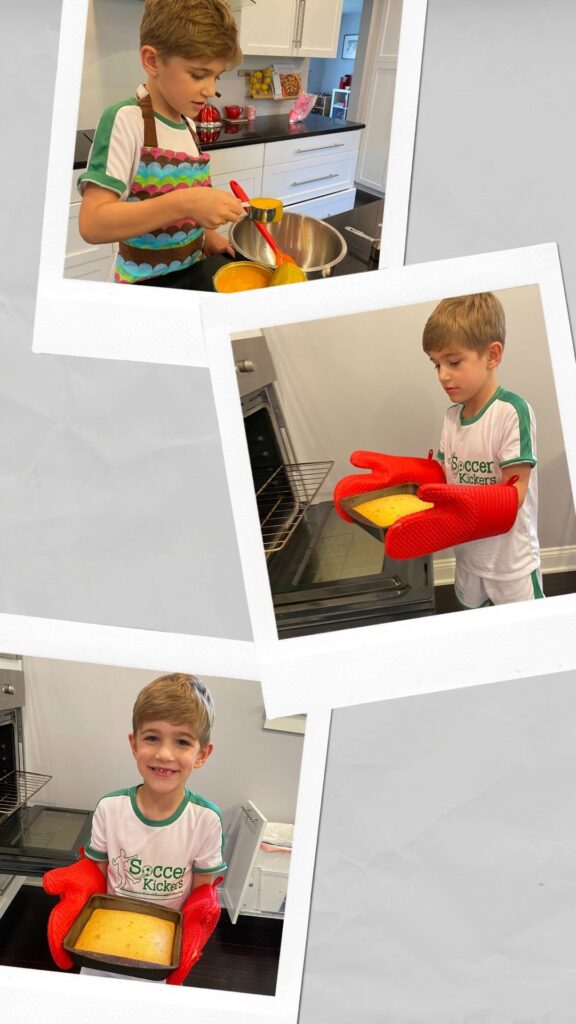
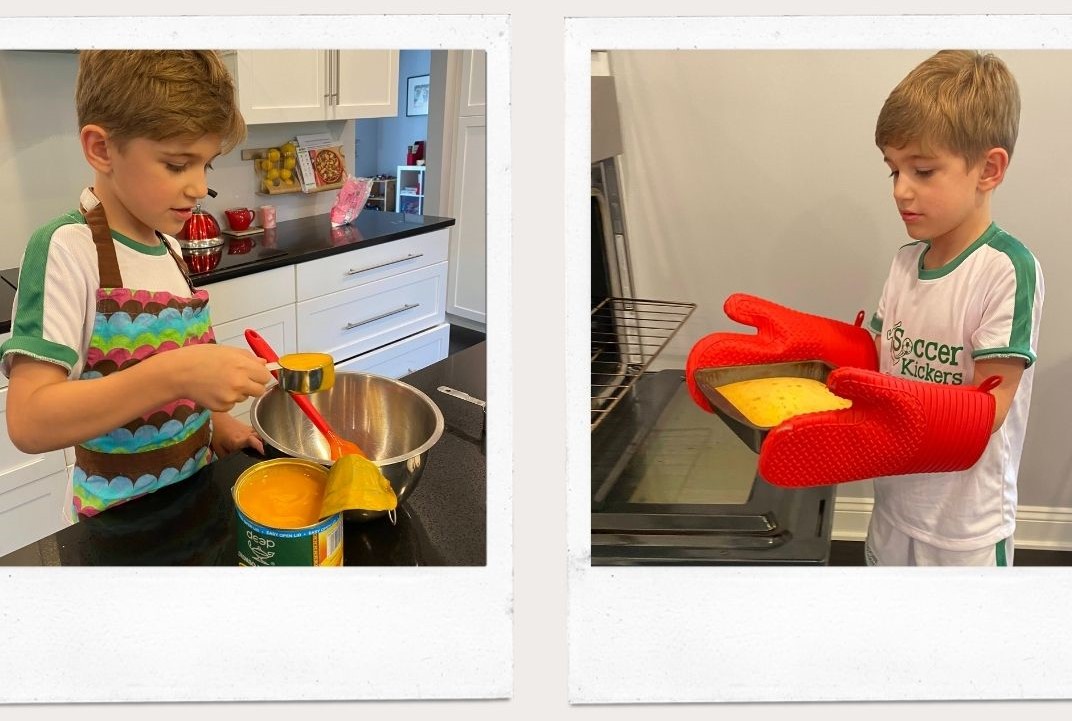
Take a very practical approach to Montessori in the home by offering opportunities for your child to practice skills of daily life: food preparation, folding clothes, dusting, caring for plants and animals, writing letters to relatives or people of interest to them, caring for their own clothing and toys. By preparing the home to reflect the organizational space of the classroom environment where materials, from toys, tools and personal items all have their place, we instill consistency in expectations both in and out of the classroom. For the young child, having an organized space not only offers stability and continuity, but also a sense of calm.
Trish Murphy