
The transition from elementary to middle school is about much more than moving to a new classroom or taking on more challenging academics. It marks an important stage in your child’s development—a time when they begin to seek greater independence, develop a stronger sense of identity, and learn what it means to be part of a larger community.
For many parents, this transition can feel a little daunting. The good news is that some of the most important preparations happen long before the first day of middle school.
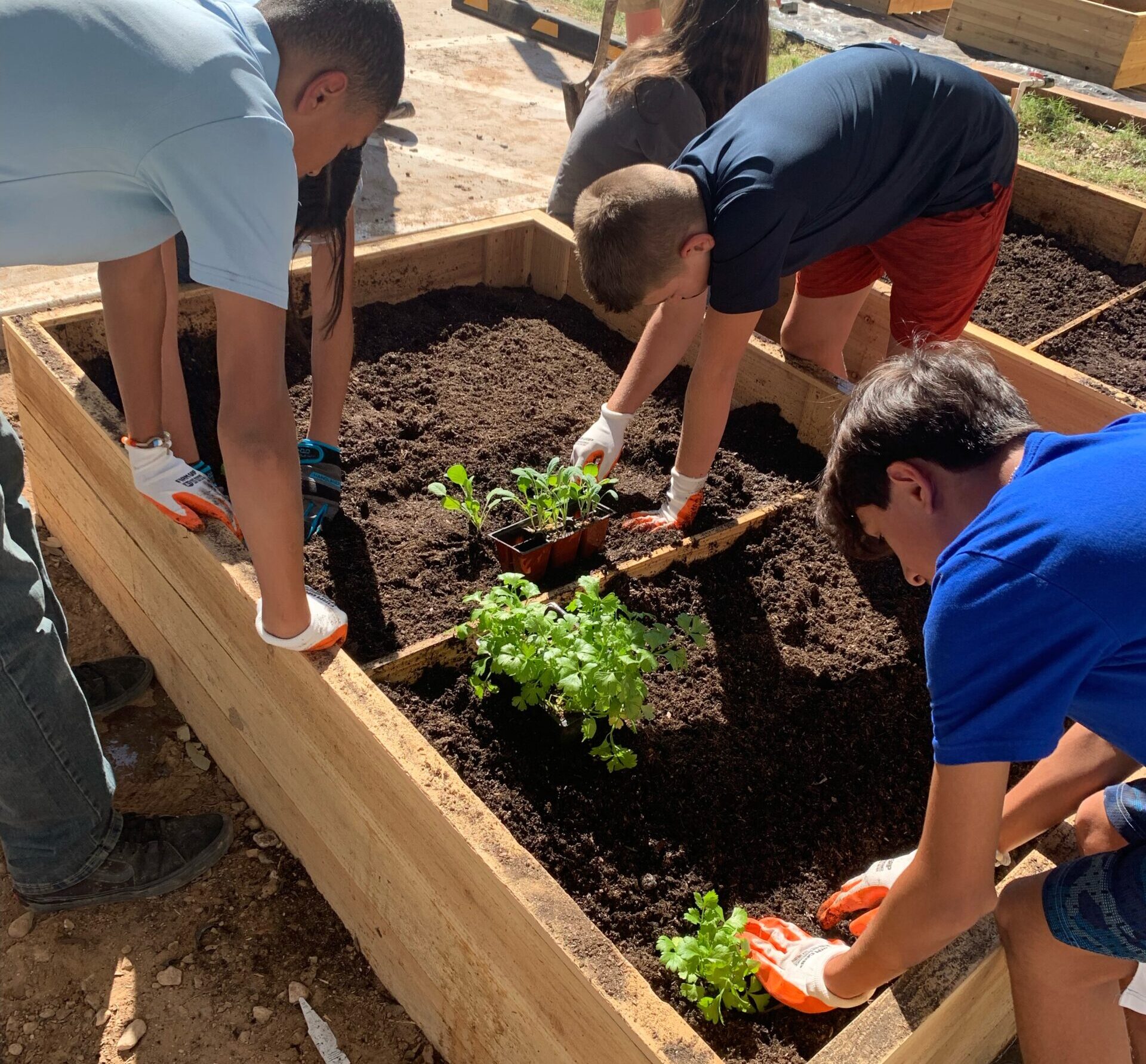
One of the best gifts we can give adolescents is the opportunity to practice independence. This means further backing away from doing things for them that they are capable of doing themselves. Middle school students are ready for increased responsibility. Small opportunities—planning and/or preparing a family meal, helping with shopping, managing chores, or making age-appropriate decisions—build confidence and reinforce the message that they are capable and trusted.
As children approach adolescence, change is inevitable. New routines, expectations, evolving interests, and changing social dynamics await them no matter which middle school they attend. Rather than viewing these changes as something to fear, families can help adolescents see them as exciting opportunities for growth. When adults model excitement about growing, learning, and overcoming challenges, adolescents are more likely to approach the transition with curiosity and confidence.
Perhaps most importantly, the parent-child relationship begins to shift. Adolescents still need support, but increasingly they benefit from mentorship rather than management. Instead of solving every problem, we can help them think through challenges, consider options, and learn from mistakes. What can feel like a struggle in the moment is often exactly the experience that builds resilience and confidence for the future.
The transition to middle school is not simply about preparing students for the next grade level. It is about helping them become capable, responsible, and engaged young people. By gradually increasing independence, supporting social and organizational skills, and maintaining a strong connection at home, families can help their children approach this next stage with confidence and excitement.
Adam Ladd, Adolescent Program Director