
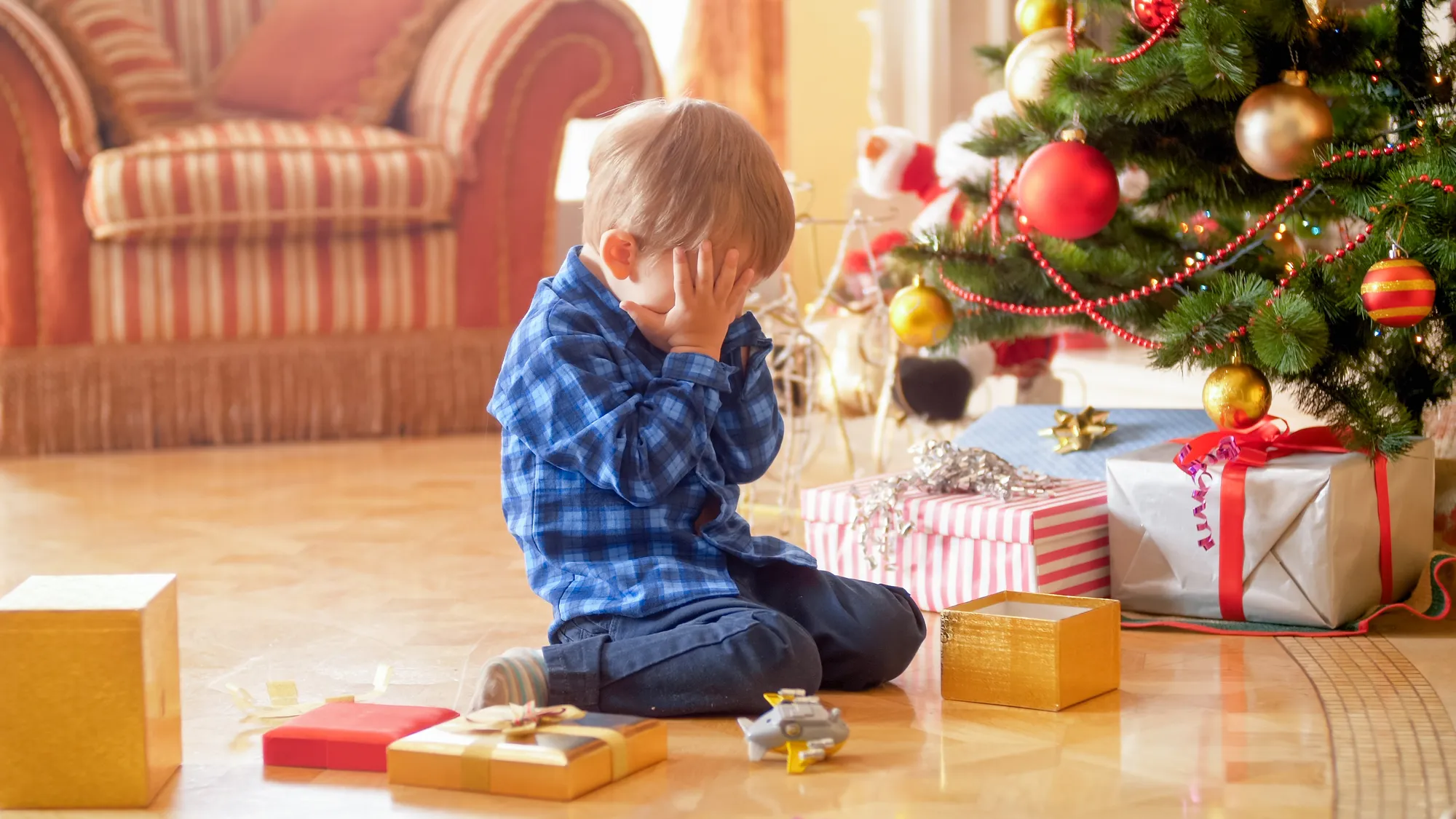
The holiday season can be a time of joy, connection, and celebration, but for young children, it can also bring big emotions and challenging behaviors. As Montessori educators and parents, we understand that children thrive on routine, predictability, and purposeful activity. The holidays often disrupt all three. Understanding what drives your child’s behavior can help you respond with empathy and support, keeping the season peaceful and meaningful for your family.
Why Behaviors Change During the Holidays?
Disrupted Routines
Holiday events, travel, visitors, and later bedtimes all interrupt the rhythm children rely on to feel secure. Without that sense of order, children may appear more emotional, oppositional, or clingy.
Overstimulation
Bright lights, new sounds, unfamiliar foods, and crowded gatherings can overwhelm a young child’s developing senses. What feels festive to adults can feel chaotic to the young child.
Emotional Contagion
Children are keen observers of the adults around them. When parents and caregivers are stressed, hurried, or tired, children feel that energy and may express it through behaviors such as tantrums or resistance.
Developmental Needs
The Montessori perspective reminds us that behavior is communication. When a child acts out, they’re expressing an unmet need for rest, movement, autonomy, or connection.
Responding with Empathy and Structure
- Protect Routine Whenever Possible. Maintain consistent sleep and mealtimes, and create familiar rituals even while traveling. Predictability helps children regulate their emotions and behavior.
- Prepare the Child. Before a special event or visit, talk through what will happen. Use simple, concrete language: “We’ll go to Grandma’s house after lunch. There will be lots of people, and you can say hello or wave if you want.”
- Offer Choices. Children feel calmer when they have some control. Let them choose between two outfits, two activities, or where to sit at the table. Small decisions help preserve a sense of independence.
Build in Calm Moments. Schedule quiet time between events. A short walk, reading together, or quiet play can help your child recharge and reset.- Model Grace and Courtesy. When adults slow down, speak gently, and show patience, children absorb those behaviors. A calm adult presence can do more to soothe holiday chaos than any amount of correction.
- See the Need Behind the Behavior. When a child melts down, pause and ask: What is this behavior telling me? Are they hungry, tired, overwhelmed, or needing connection? Responding to the need, rather than reacting to the behavior, supports emotional growth.
Finding the Joy
The holidays don’t have to be perfect to be meaningful. Children will remember how it felt to be included, respected, and loved, not whether everything went smoothly. By approaching challenging moments with curiosity and compassion, we offer our children the gift of emotional security, even in the busiest season.
Each moment of patience, understanding, and connection helps fulfill that promise – one peaceful holiday at a time.
Trish Murphy
Image Credit: Institute of Child Psychology